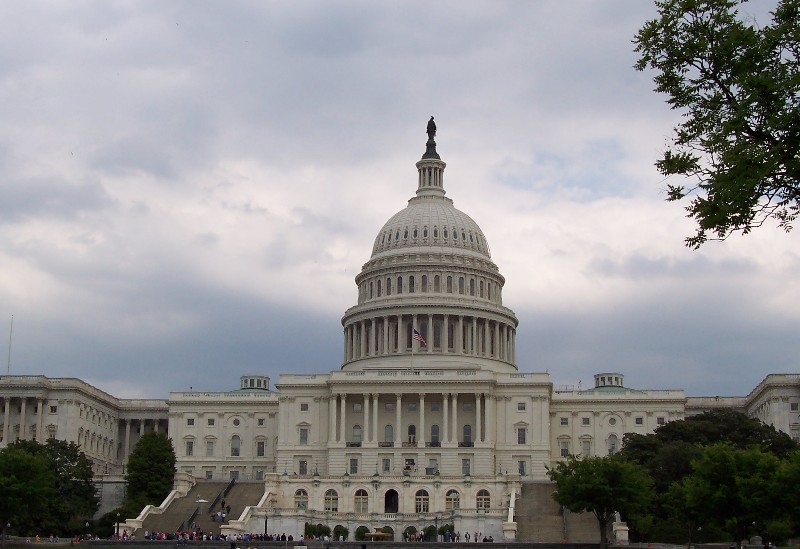
The 2026 election results are in: Democrats have won control of both chambers of Congress. The Associated Press declared Democratic control of the U.S. Senate after calling Iowa’s open Senate race for Josh Turek at 11:35 p.m. ET on Tuesday, November 3 — the sixth Republican-held seat Democrats flipped that night — and declared Democratic control of the U.S. House at 1:29 a.m. ET on Wednesday, after Democrats passed the 218 seats needed for a majority. NBC News, CBS News and CNN projected the same outcome for the House, and NBC News also projected Democratic control of the Senate. The new Congress convenes on January 3, 2027. Until then, Republicans keep their current majorities, and every result below is an AP projection, not a certified final result.

Top Line: 2026 Election Results
Senate: Democrats win control, as called by the Associated Press. Democrats entered the night in a 53–47 minority and needed a net gain of four seats. They flipped at least seven Republican-held seats — in North Carolina, South Carolina, Ohio, Texas, Kansas, Iowa and Maine — guaranteeing at least 51 seats.
House: Democrats win control, as called by the Associated Press. In AP’s count, Democrats had won 222 seats with more races still leading as counting continued, well past the 218 needed for a majority.
Still too close to call as of 7:30 a.m. ET: the U.S. Senate races in Alaska and Mississippi were listed by AP as too early to call. The governor’s races in Alaska and Kansas were also too early to call as of 7:30 a.m. ET. No winner is projected in this article from raw vote totals alone.
Big Wins
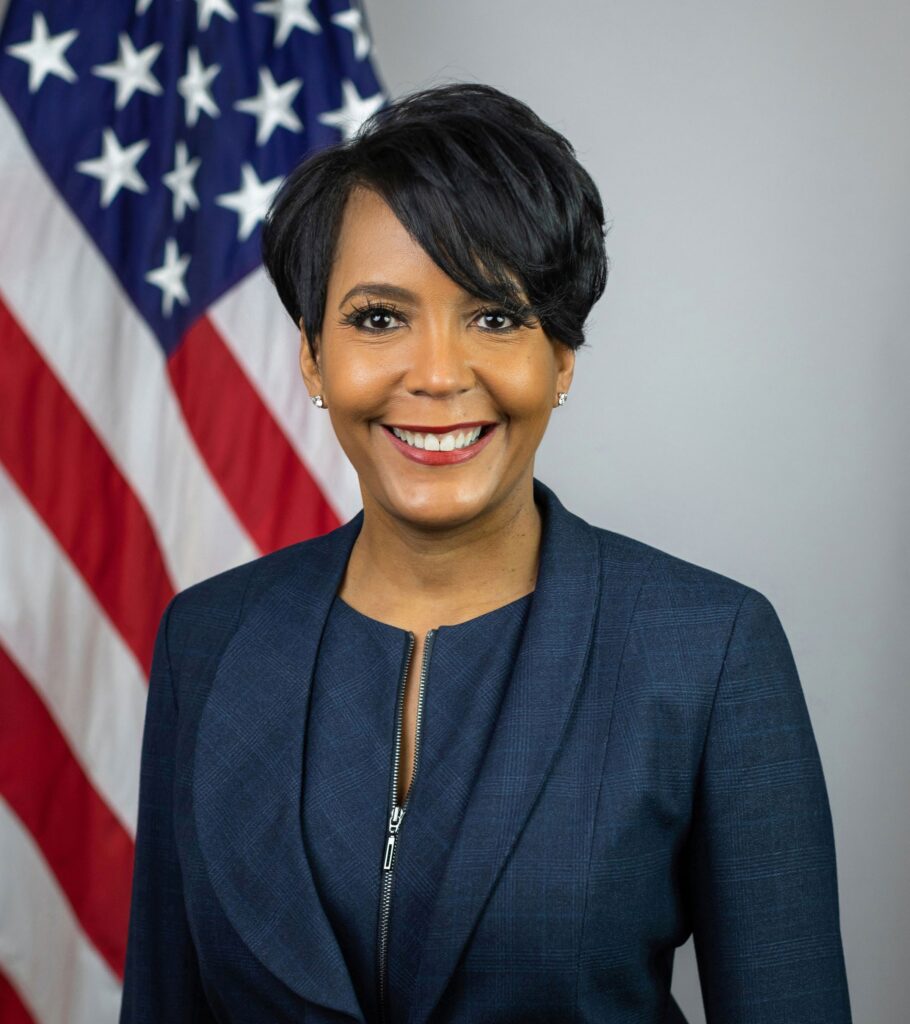
The night’s biggest stories reached well beyond Washington. In Texas, Democrat James Talarico defeated Republican Ken Paxton for the U.S. Senate — the first Democrat elected to the Senate from Texas since 1988 — and Democrat Gina Hinojosa defeated incumbent Republican Gov. Greg Abbott, ending more than three decades of Republican control of the Texas governor’s office. In Georgia, Democrat Keisha Lance Bottoms defeated Republican Rick Jackson to become the first Black woman elected governor in the United States, and the first Democrat to win Georgia’s governorship since 1998. In South Carolina, Democrat Annie Andrews defeated Republican Darline Graham for the Senate seat long held by Graham’s late brother, Lindsey Graham. In Kansas, Democrat Adam Hamilton defeated incumbent Republican Sen. Roger Marshall — the first Democratic Senate victory in Kansas in 94 years. In Wisconsin, Democrat David Crowley won the governorship and will become the state’s first Black governor. In Florida, Republican Byron Donalds won the governorship, becoming Florida’s first Black governor, in a Republican hold.
Michigan Spotlight
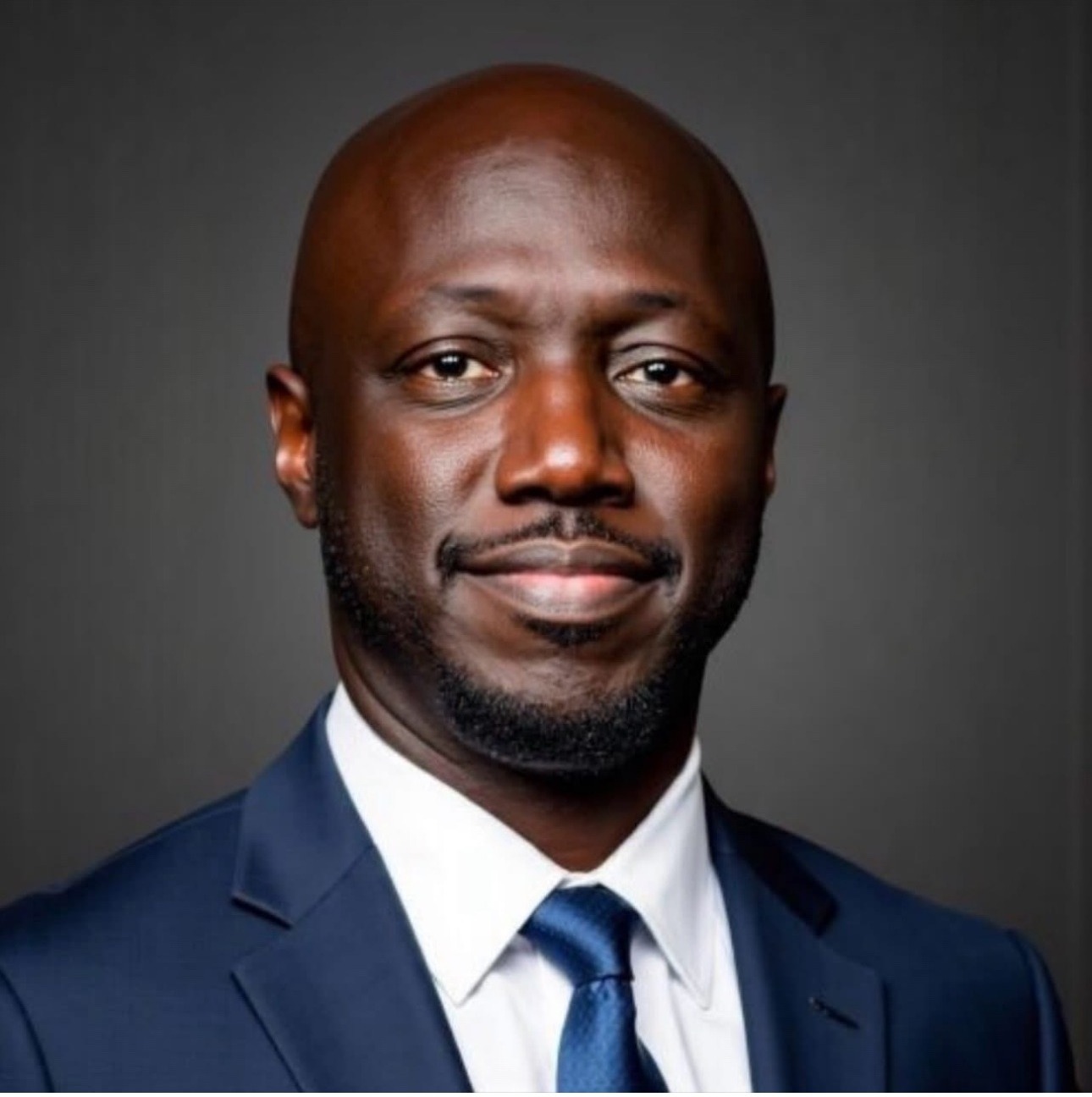
Democrat Abdul El-Sayed has won Michigan’s open U.S. Senate seat, defeating Republican Mike Rogers, according to a race call by the Associated Press at 2:27 a.m. ET. El-Sayed led 52% to 46% when the race was called; in AP’s latest count he had 2,480,577 votes to Rogers’ 2,154,946, with about 96% of the expected vote counted. El-Sayed, 42, a former public health official, succeeds retiring Democratic Sen. Gary Peters and holds a seat Democrats have held since 1979 — a seat widely viewed as essential to the party’s path back to a Senate majority. He will become the first Muslim American to serve in the U.S. Senate. Rogers, a former congressman, lost his second consecutive bid for the Senate. In Michigan’s governor’s race, Democrat Jocelyn Benson, the state’s secretary of state, won the open governor’s office, as called by AP.
State-by-State Senate Highlights
Flips to Democrats (AP-called): North Carolina — Roy Cooper defeated Michael Whatley. South Carolina — Annie Andrews defeated Darline Graham. Ohio (special election) — Sherrod Brown defeated incumbent Jon Husted, regaining the seat Brown lost in 2024. Texas — James Talarico defeated Ken Paxton. Kansas — Adam Hamilton defeated incumbent Roger Marshall. Iowa — Josh Turek defeated Ashley Hinson in an open-seat race; this was the call that gave Democrats the Senate majority. Maine — Troy Jackson defeated incumbent Susan Collins, who had served nearly 30 years.
Key Democratic holds (AP-called): Georgia — Jon Ossoff won re-election, defeating Mike Collins. Michigan — Abdul El-Sayed held the open Peters seat (see above). New Hampshire — Chris Pappas defeated John Sununu for the open seat of retiring Sen. Jeanne Shaheen. Virginia, Minnesota, Massachusetts, Delaware, Illinois, New Jersey, New Mexico, Rhode Island and Oregon also returned Democratic senators, as called by AP.
Key Republican holds (AP-called): Florida (special election), Alabama, Arkansas, Idaho, Kentucky, Louisiana, Montana, Nebraska, Oklahoma, South Dakota, Tennessee, West Virginia and Wyoming returned Republican senators, as called by AP.
Too close to call as of 7:30 a.m. ET: Alaska and Mississippi.
Governors: Winner → Loser, Flips Flagged
Thirty-six states elected a governor. Democrats won in states long controlled by Republicans, including Texas and Georgia, and AP reported the results put Democrats on course for a majority of governorships for the first time in two decades.
- Texas — FLIP to Democrat: Gina Hinojosa → Greg Abbott (incumbent Republican). AP called the race at 10:17 p.m. ET; Hinojosa is the state’s first Latina governor-elect.
- Georgia — FLIP to Democrat: Keisha Lance Bottoms → Rick Jackson. Bottoms is the first Black woman elected governor in U.S. history.
- Ohio — FLIP to Democrat: Amy Acton → Vivek Ramaswamy.
- Iowa — FLIP to Democrat: Rob Sand → Zach Lahn.
- Maryland — Democratic hold: Wes Moore → Dan Cox (see Maryland block below).
- Florida — Republican hold: Byron Donalds → David Jolly. Donalds will be Florida’s first Black governor.
- Wisconsin — Democratic win: David Crowley → Tom Tiffany. Crowley will be Wisconsin’s first Black governor.
- Michigan — Democratic win: Jocelyn Benson won the open governor’s office.
- New Mexico — Democratic win: Deb Haaland won; AP noted she is the first Native American woman elected to lead a state.
- California — Democratic win: Xavier Becerra won.
- New York — Democratic hold: Kathy Hochul won re-election.
- Pennsylvania — Democratic hold: Josh Shapiro won re-election.
- Illinois — Democratic hold: JB Pritzker won a third term.
- Massachusetts — Democratic hold: Maura Healey won re-election.
- Colorado — Democratic win: Phil Weiser won.
- Connecticut — Democratic hold: Ned Lamont won re-election.
- Rhode Island — Democratic win: Helena Foulkes won.
Republicans held the governorships in states including Alabama, Arkansas, Idaho, Nebraska, Oklahoma, South Carolina, South Dakota, Tennessee, Vermont and Wyoming, as called by AP. Too close to call as of 7:30 a.m. ET: Alaska and Kansas.
Maryland
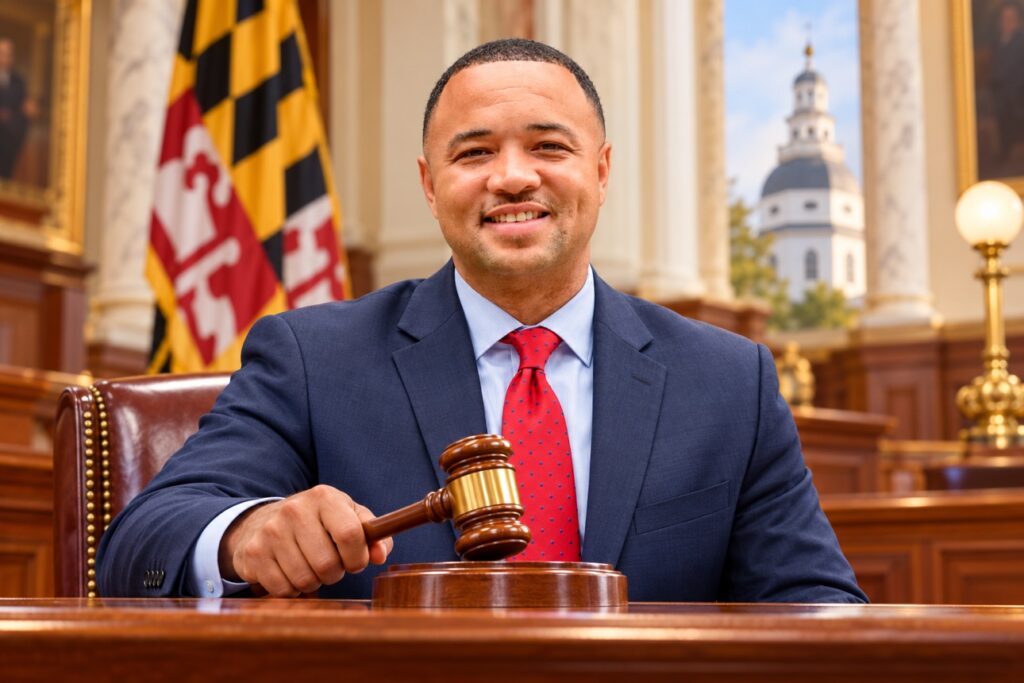
Gov. Wes Moore won re-election, defeating Republican Dan Cox in a rematch of 2022, as called by the Associated Press at 8:01 p.m. ET, one minute after polls closed. In AP’s count, Moore had 1,163,257 votes (62.7%) to Cox’s 616,821 (33.3%). Moore, Maryland’s first Black governor, returns with Lt. Gov. Aruna Miller for a second term. Attorney General Anthony Brown and Comptroller Brooke Lierman were also re-elected, each with about 67% of the vote, as projected by AP. Voters approved Question 3, the constitutional amendment on congressional redistricting backed by Moore, with about 60% in favor in AP’s count — a change that removes the state constitution’s compactness and contiguity requirements for congressional districts and could reshape Maryland’s House map in future cycles. In Baltimore, state Sen. Antonio Hayes — recently named chair of the Maryland Senate Finance Committee — remains a central figure in the state’s budget debate; read Black Business Review’s coverage: Antonio Hayes Takes the Gavel. All Maryland incumbents in the U.S. House won, and Del. Adrian Boafo won the 5th District seat long held by Steny Hoyer.
What It Means for Black Business
A Democratic House and Senate change the terrain for Black-owned businesses on the issues that decide who gets capital and who gets contracts. Committee control determines the oversight agenda for small-business lending, Community Development Financial Institutions, minority business development programs, and federal contracting and set-aside rules. A Democratic majority is more likely to defend and expand those programs — and to press regulators and large banks on lending disparities — while President Donald Trump retains the veto, so legislation will still require negotiation and, in the Senate, Republican votes to override. The governors’ results may matter sooner: new Democratic governors in Texas, Georgia, Ohio and Iowa control state contracting, supplier-diversity offices, and the state agencies that license, fund and buy from small businesses. In Maryland, a second Moore term plus Question 3 means continuity on state economic policy and a new congressional map fight ahead. The practical takeaway for owners is unchanged but sharper this morning: register as a vendor with your state, keep certifications current, and watch committee assignments in January — that is where the money decisions will be made first.
How Texas Could Flip All-Democratic
Start with what actually happened, because Texas is where the night’s map changed most — and where it did not change completely. AP called the U.S. Senate race for Democrat James Talarico over Republican Ken Paxton (5,266,242 votes to 4,115,458 in AP’s latest count, about 94% of precincts reporting): the first Democratic Senate win in Texas since 1988 and the first Democratic statewide win of any kind since 1994. AP called the governor’s race for Democrat Gina Hinojosa over incumbent Greg Abbott at 10:17 p.m. ET, with Hinojosa at about 57% to Abbott’s 41% when called; Abbott conceded on election night. Democrat Vikki Goodwin defeated incumbent Lt. Gov. Dan Patrick for lieutenant governor, as projected by AP in its overnight reporting — the first Democrat in that office in 27 years — and Democrats led the rest of the statewide ballot, including state Sen. Nathan Johnson over Mayes Middleton for attorney general, in the Secretary of State’s count reported by AP. That is a genuine statewide breakthrough, driven by the big metros: Harris County (Houston), Dallas County, Travis County (Austin), Bexar County (San Antonio) and Tarrant County (Fort Worth) are now the state’s population and turnout engine, and sustained suburban movement toward Democrats in and around those counties is what turned a double-digit statewide deficit from 2024 into Democratic wins in 2026. Demographic trends point the same way — a younger, more diverse, more urban electorate, with more than 7.4 million Texans voting early.
But an all-Democratic Texas has not happened, and tonight’s numbers also show where it did not. In the U.S. House, AP’s Texas tally had Republicans leading in 24 districts (18 called) to Democrats’ 14 (13 called), with seven districts still too early to call as of 7:30 a.m. ET — so the congressional delegation remains majority-Republican in every called and leading race. The Texas Legislature also remains in Republican hands, which is why Goodwin will preside over a Republican-controlled state Senate whose members can vote to limit the lieutenant governor’s powers. A full flip would still require: winning the remaining statewide offices on a sustained basis, not in one wave year; flipping the state House and Senate through district-by-district organizing in suburbs that voted Democratic at the top of the ticket but Republican down-ballot; and holding the metro margins through a presidential cycle, when turnout is higher and the electorate is different. The timeline is therefore a cycle-by-cycle question, not a single night. Tonight, Texas moved decisively toward a flip at the statewide level — Senate, governor and lieutenant governor — and did not complete it in the House delegation or the Legislature. That gap, between a blue top of the ticket and a red map underneath it, is the story to watch in 2028 and 2030.
Results: Associated Press (AP). Race calls are AP projections; official results come only after state certification. Cross-checks: NBC News, CBS News and CNN projections for control of Congress.
Join Orbit — where Black professionals, entrepreneurs and leaders connect, collaborate and turn opportunities into action. https://orbit.blackbusinessreview.net/