For decades, cities like New York, Los Angeles, Detroit, and Nashville dominated conversations about the American music industry. Each city helped shape different eras of sound, culture, and entertainment history.
But over the past two decades, one city has quietly — and then very loudly — taken control of modern music culture:
Atlanta.
Today, Atlanta is no longer simply an important music city.
Many industry insiders, artists, producers, executives, and fans now view Atlanta as the true music capital of the United States.
The city’s influence stretches far beyond hip-hop alone. Atlanta has become a global engine for music production, artist development, culture creation, fashion trends, nightlife, branding, and entertainment entrepreneurship.
At the center of Atlanta’s rise is hip-hop.
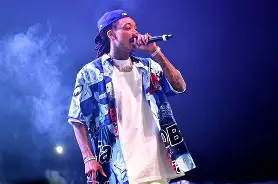
From the early Southern rap movement to today’s streaming-dominated music landscape, Atlanta artists helped transform the sound of modern music. The city gave rise to influential artists, producers, and labels that reshaped radio, club culture, social media trends, and global music production.
Atlanta did not simply participate in hip-hop culture.
It reinvented it.
Artists from the city helped popularize trap music, melodic rap flows, experimental production styles, and independent music marketing models that now dominate mainstream music worldwide. Producers in Atlanta helped create sounds that became the blueprint for an entire generation of artists.
But Atlanta’s dominance extends beyond music alone.
The city has become an entertainment ecosystem.
Recording studios, producers, videographers, managers, DJs, promoters, social media influencers, stylists, podcast creators, and entertainment entrepreneurs all operate within Atlanta’s expanding creative economy. The city functions like a cultural machine constantly producing new talent, trends, and business opportunities.
Part of Atlanta’s power comes from accessibility.
Unlike some entertainment markets historically controlled by elite gatekeepers, Atlanta built a reputation as a city where independent artists could network, collaborate, record music, shoot videos, perform, and build careers organically. That entrepreneurial energy helped fuel the city’s rapid cultural growth.
The influence is visible everywhere.
Atlanta artists dominate streaming charts, shape TikTok music trends, influence fashion culture, and control large portions of modern club and radio music. Even artists from outside the South now often relocate to Atlanta or work with Atlanta-based producers to remain culturally relevant.
The city’s impact on Black culture has been especially significant.
Atlanta became a center for Black entrepreneurship, music ownership, media production, nightlife, and entertainment leadership. The city’s creative economy continues creating opportunities for artists, executives, and business owners across multiple industries tied to music and culture.
At the same time, Atlanta’s rise reflects a larger shift in American culture itself.
Regional sounds that were once dismissed by the mainstream now drive the mainstream.
The South no longer waits for cultural approval from New York or Los Angeles. In many ways, Atlanta became proof that the center of music power had officially moved.
And while other cities still maintain important music scenes, few places currently match Atlanta’s combination of influence, talent pipeline, industry infrastructure, cultural relevance, and entrepreneurial momentum.
The city does not just produce hits.
It produces movements.
From legendary producers and platinum-selling artists to viral newcomers recording songs from home studios, Atlanta continues shaping the sound, style, and business of modern music at a pace few cities in history have achieved.
The music industry may still operate nationwide.
But the heartbeat of modern music increasingly sounds like Atlanta.