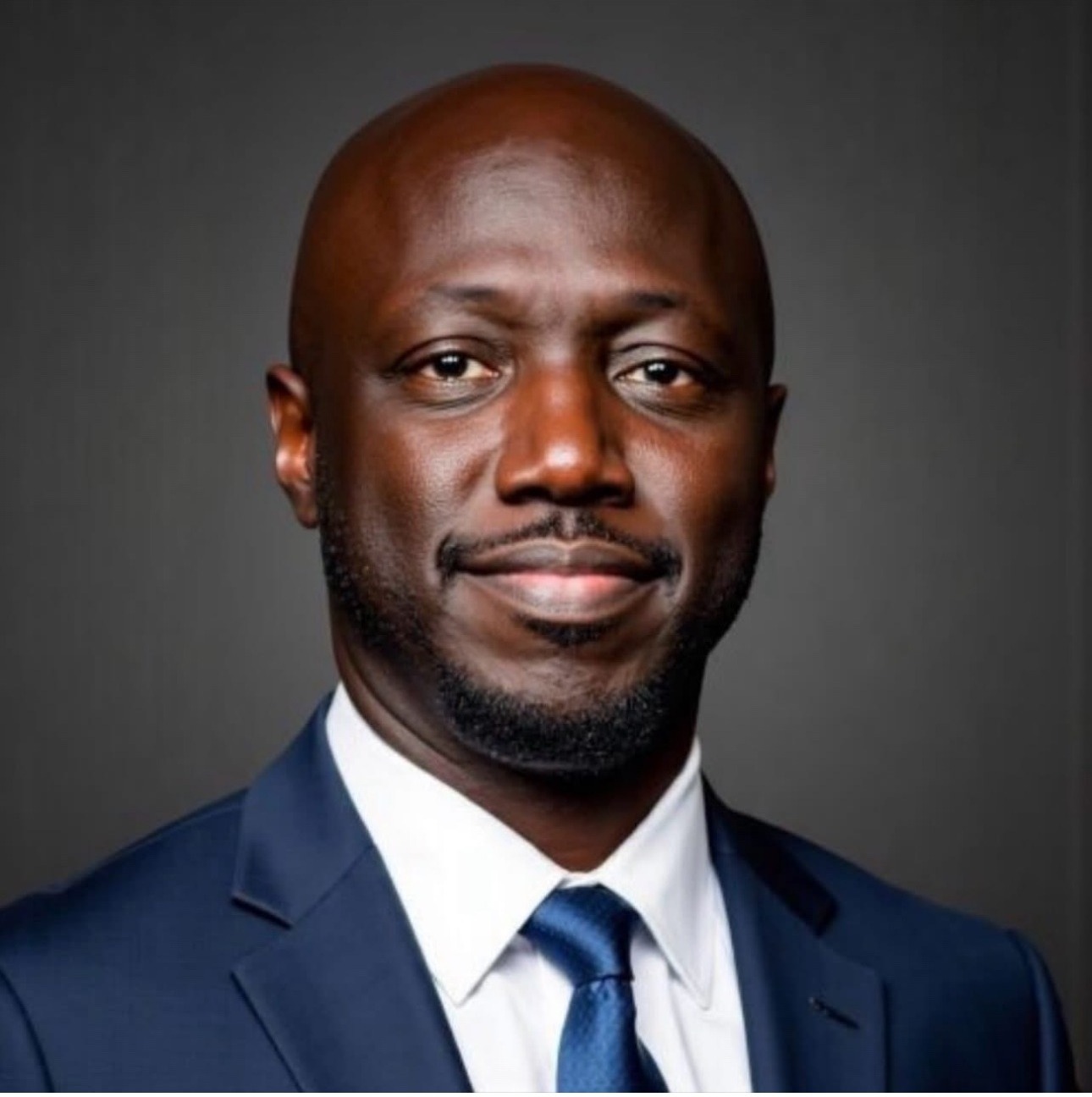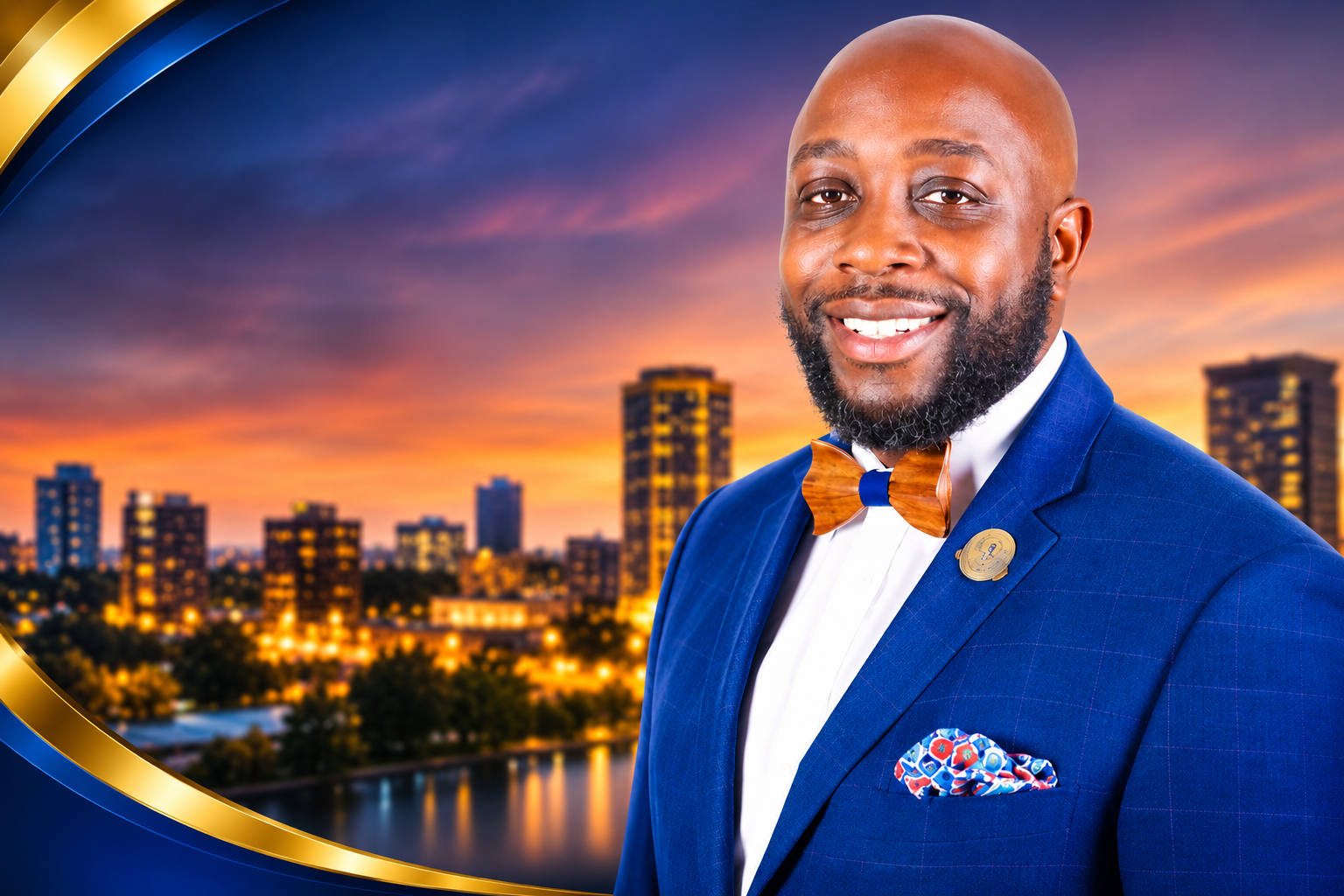
On an election night that reshaped Congress, Black leadership at the local level held its ground — and then some. Thirteen members of the African American Mayors Association (AAMA) were re-elected on November 3, 2026, winning fresh mandates in cities and towns across the country, from Newark, New Jersey, to Earle, Arkansas.
The wins cut across every kind of community Black mayors serve: major cities, mid-sized regional centers, and small Southern towns where the mayor’s office is the center of daily life. For Black Business Review readers, the results matter beyond politics — mayors control the contracting, permitting, and small-business programs that decide whether Black-owned firms get a fair shot at city work. Our full coverage of the night’s results is in Election 2026: The Morning After.

The Big-City Anchors
In Newark, Ras Baraka — one of the most nationally visible Black mayors in America — won re-election, continuing a tenure that has made New Jersey’s largest city a proving ground for Black political and economic power. On the West Coast, Rex Richardson was re-elected in Long Beach, California, and Emma Sharif held Compton, California, keeping two Los Angeles County cities under experienced Black leadership.
In the South and Mid-Atlantic, Frank Scott Jr. won again in Little Rock, Arkansas, and Phillip Jones was re-elected in Newport News, Virginia — two mayors whose administrations have put supplier diversity and minority business participation on the city agenda.
The Small-Town Bench
Some of the night’s most telling results came from smaller communities, where Black mayors are often the backbone of local economic life:
- Ethan N. Dunbar — Lewisville, Arkansas
- Katrina Evans — Campti, Louisiana
- Roderick Hampton — Haynesville, Louisiana
- James “Spike” Harris — Jonesboro, Louisiana
- Derrick M. Rainey — Wrightsville, Arkansas
- Jaylen Smith — Earle, Arkansas
- Clarence A. Vappie — Baldwin, Louisiana
- Derrick Wood — Dumfries, Virginia
Earle’s Jaylen Smith remains one of the most remarkable stories in American local politics: first elected at just 18 years old, he has now won a second term from the voters who made him one of the youngest mayors in the nation.
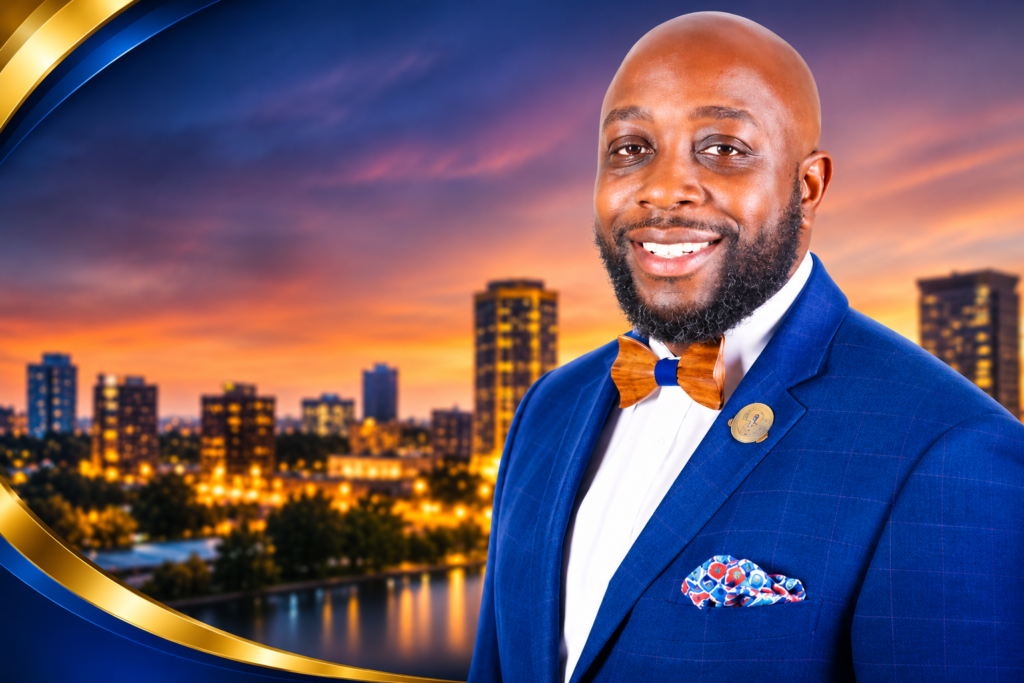
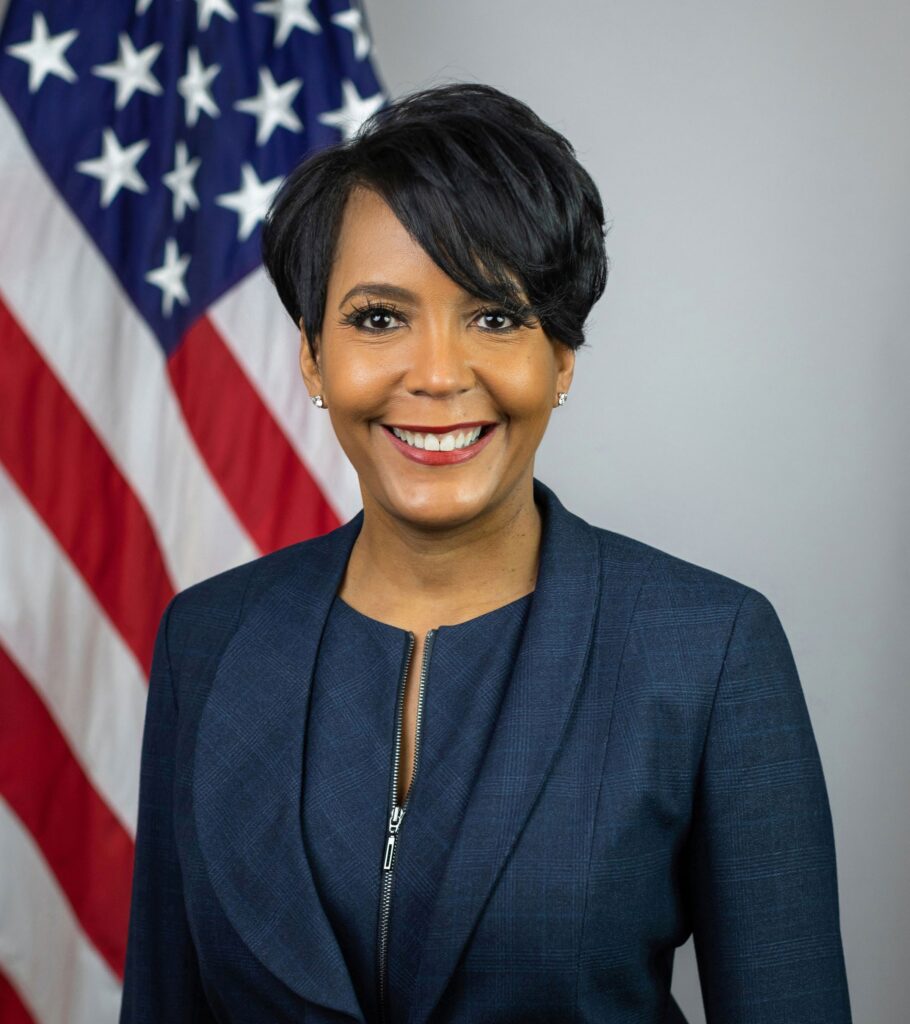
Meet the Re-Elected Mayors
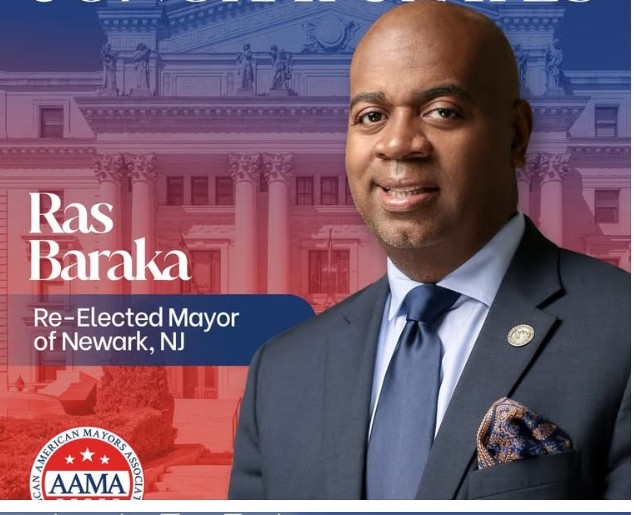
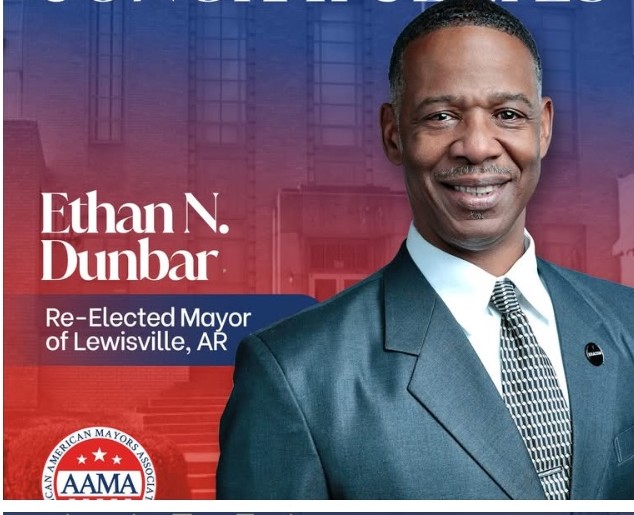
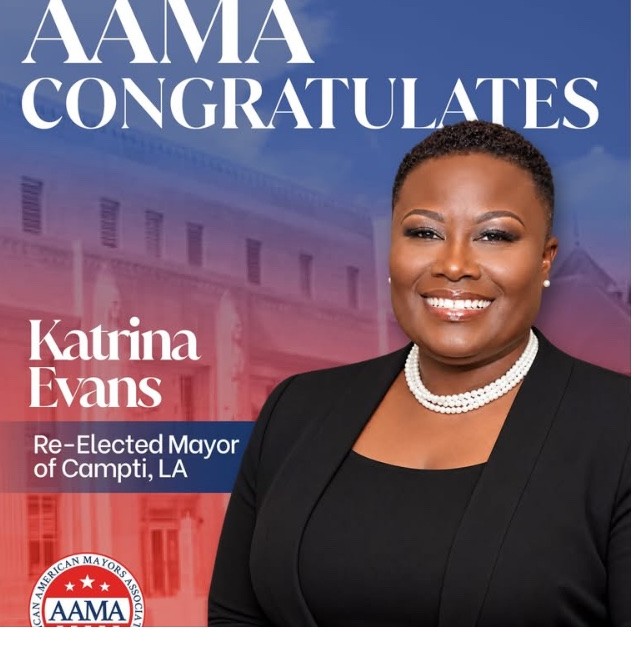
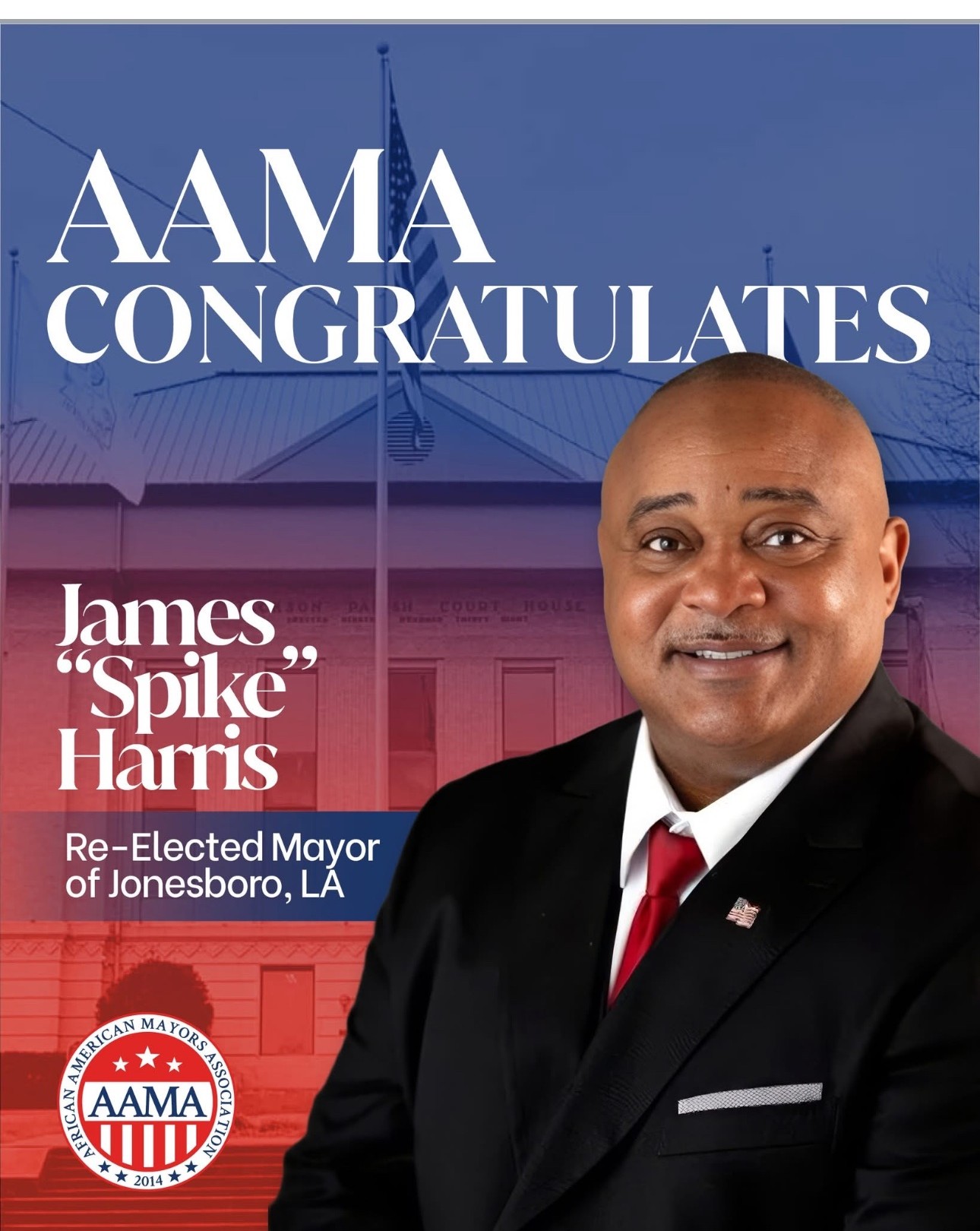
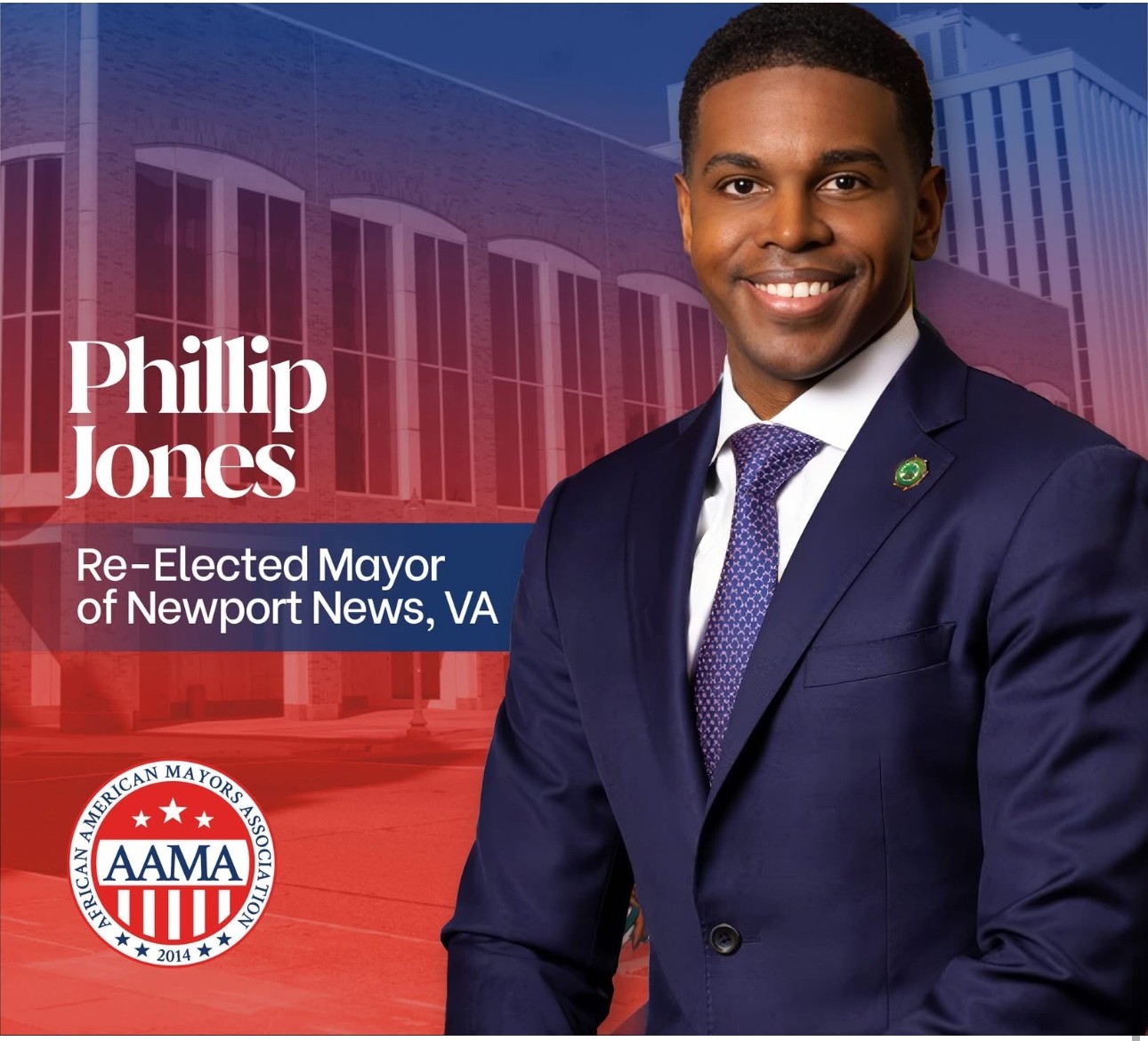
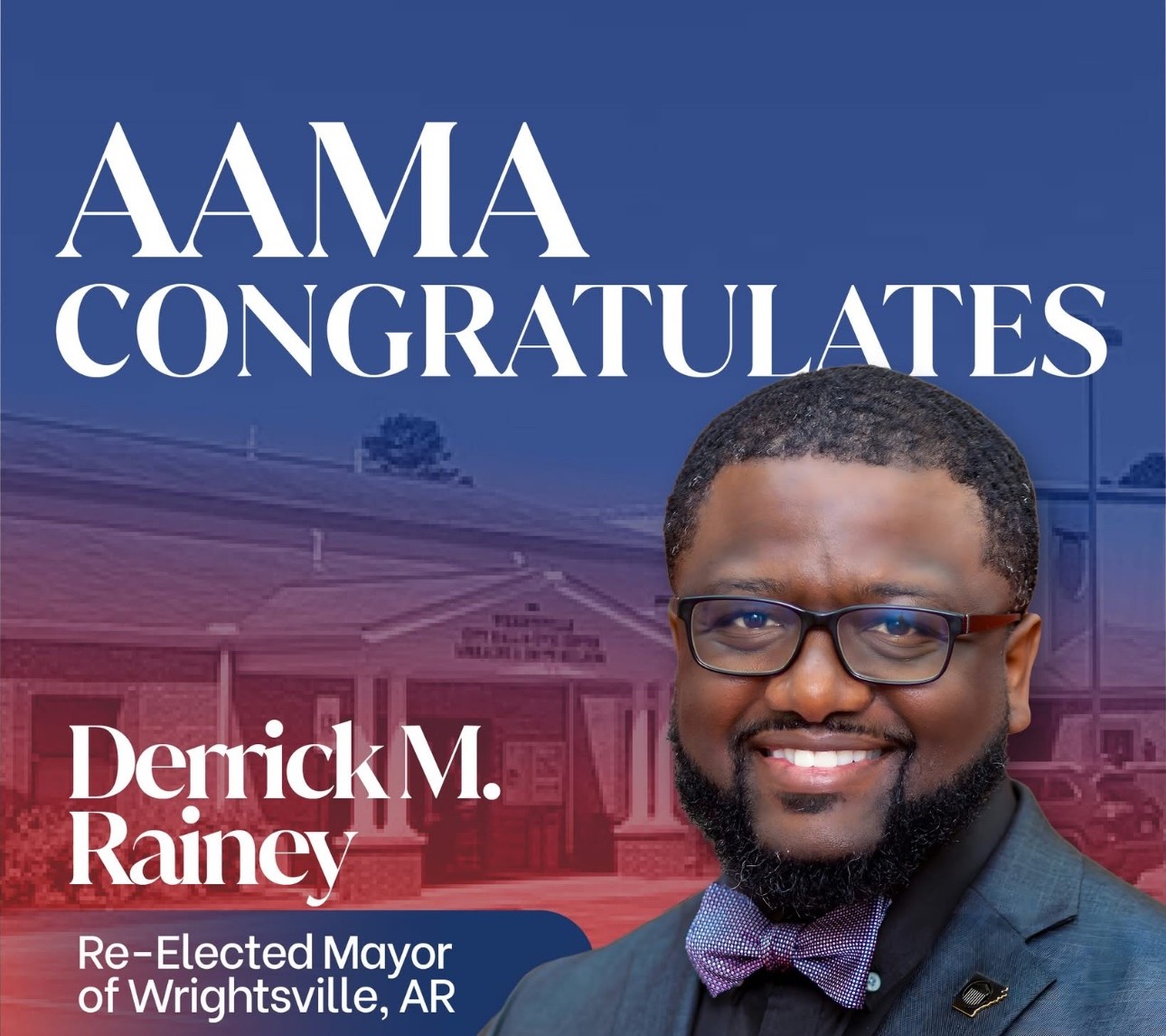
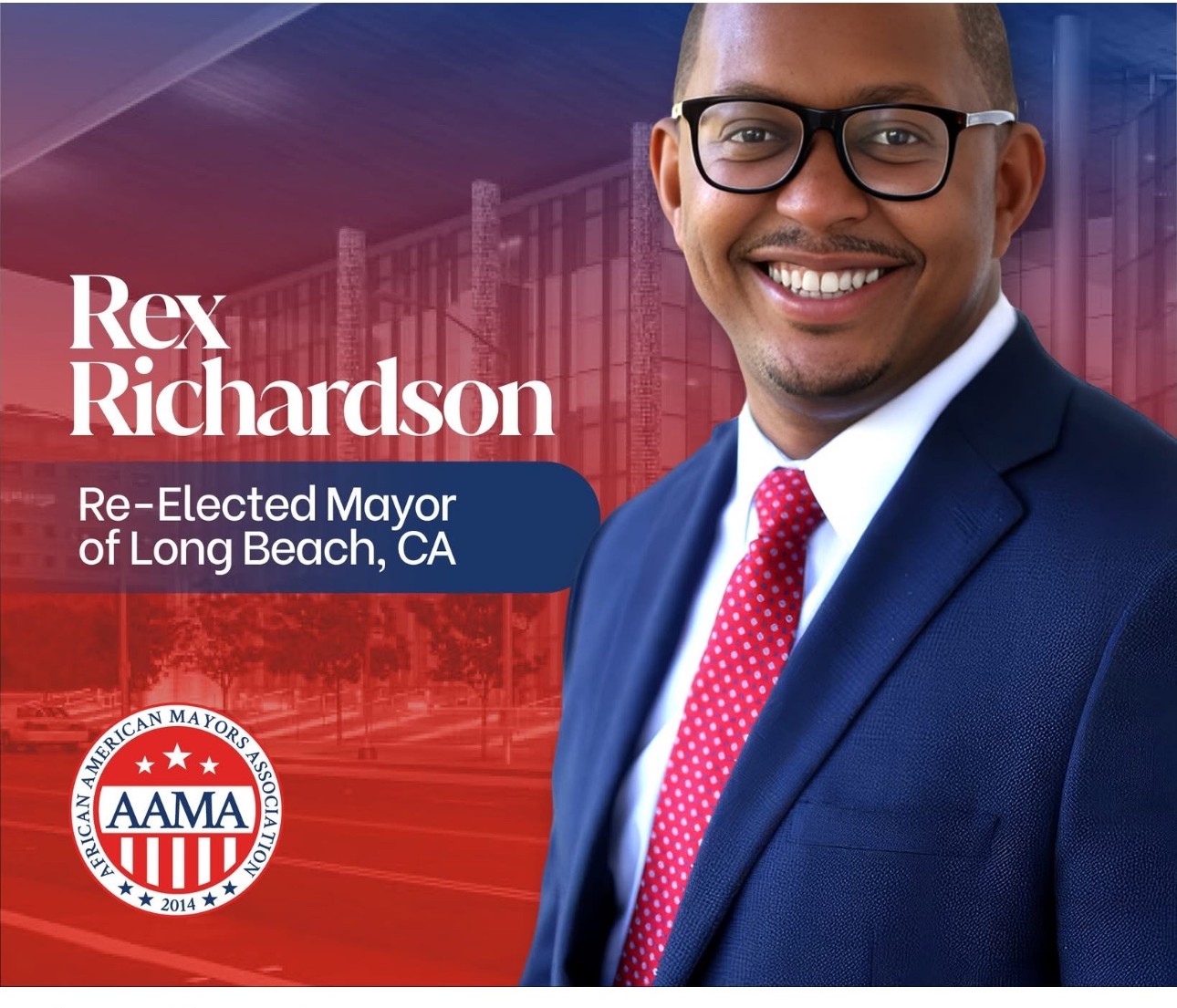
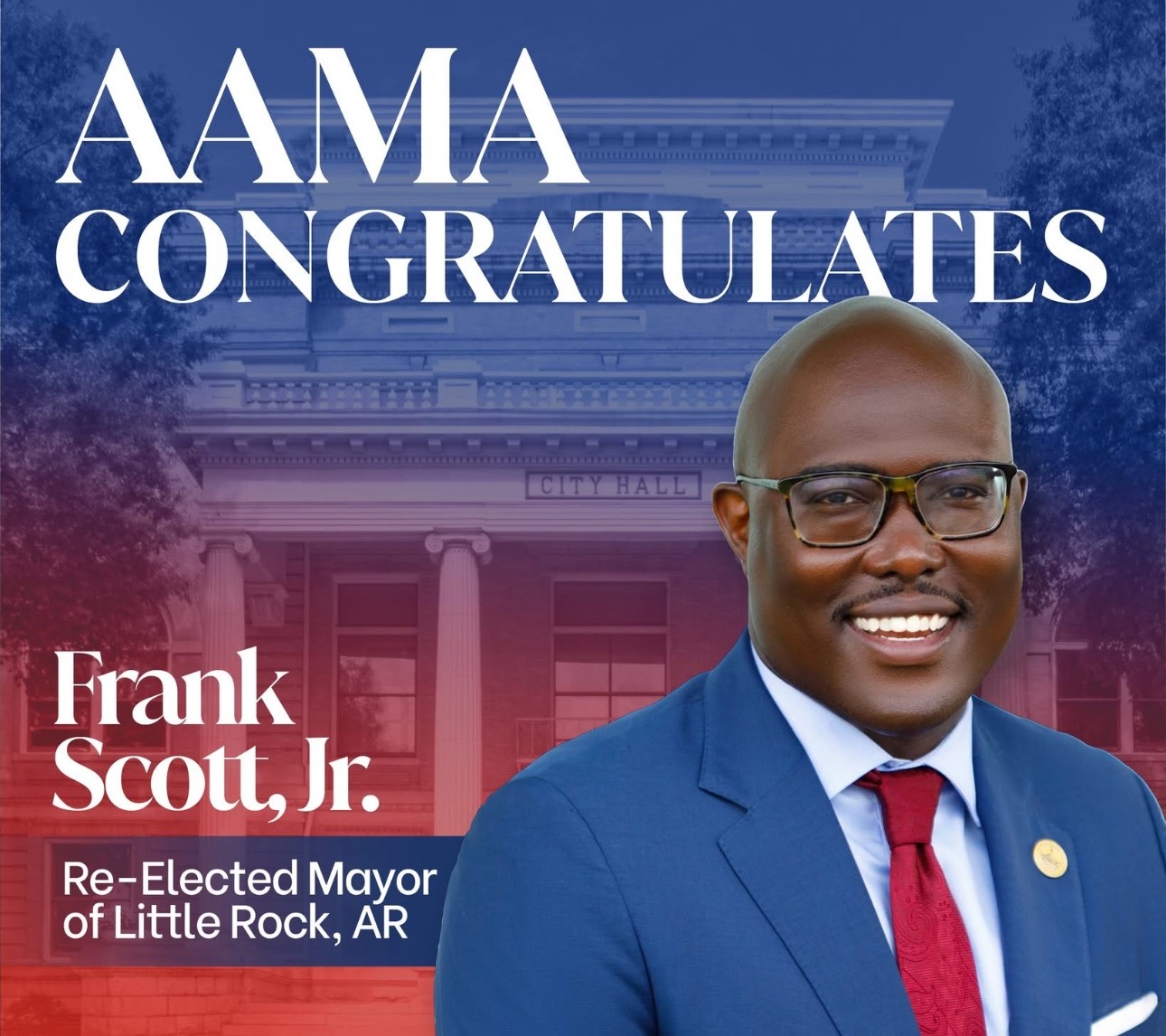
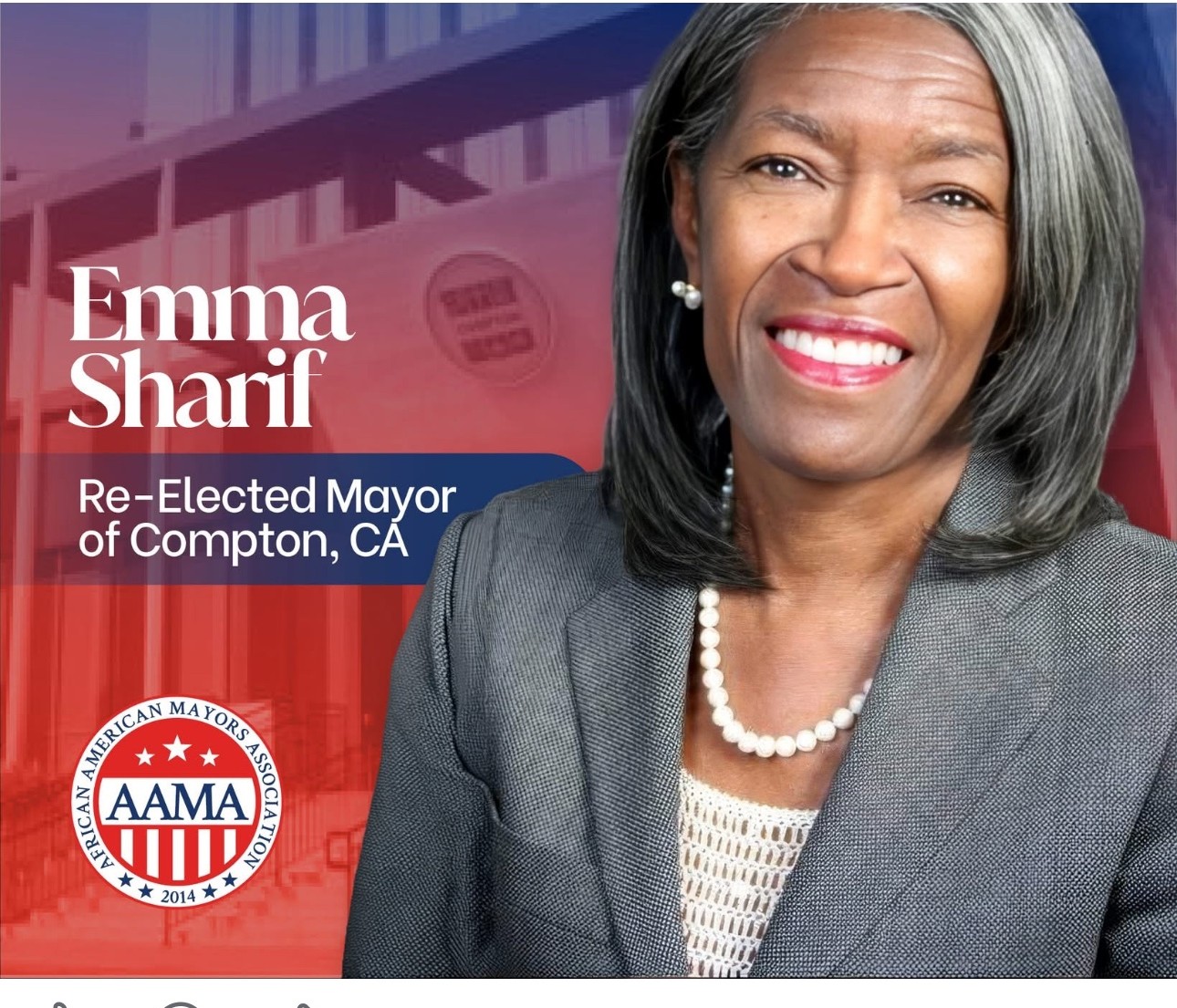
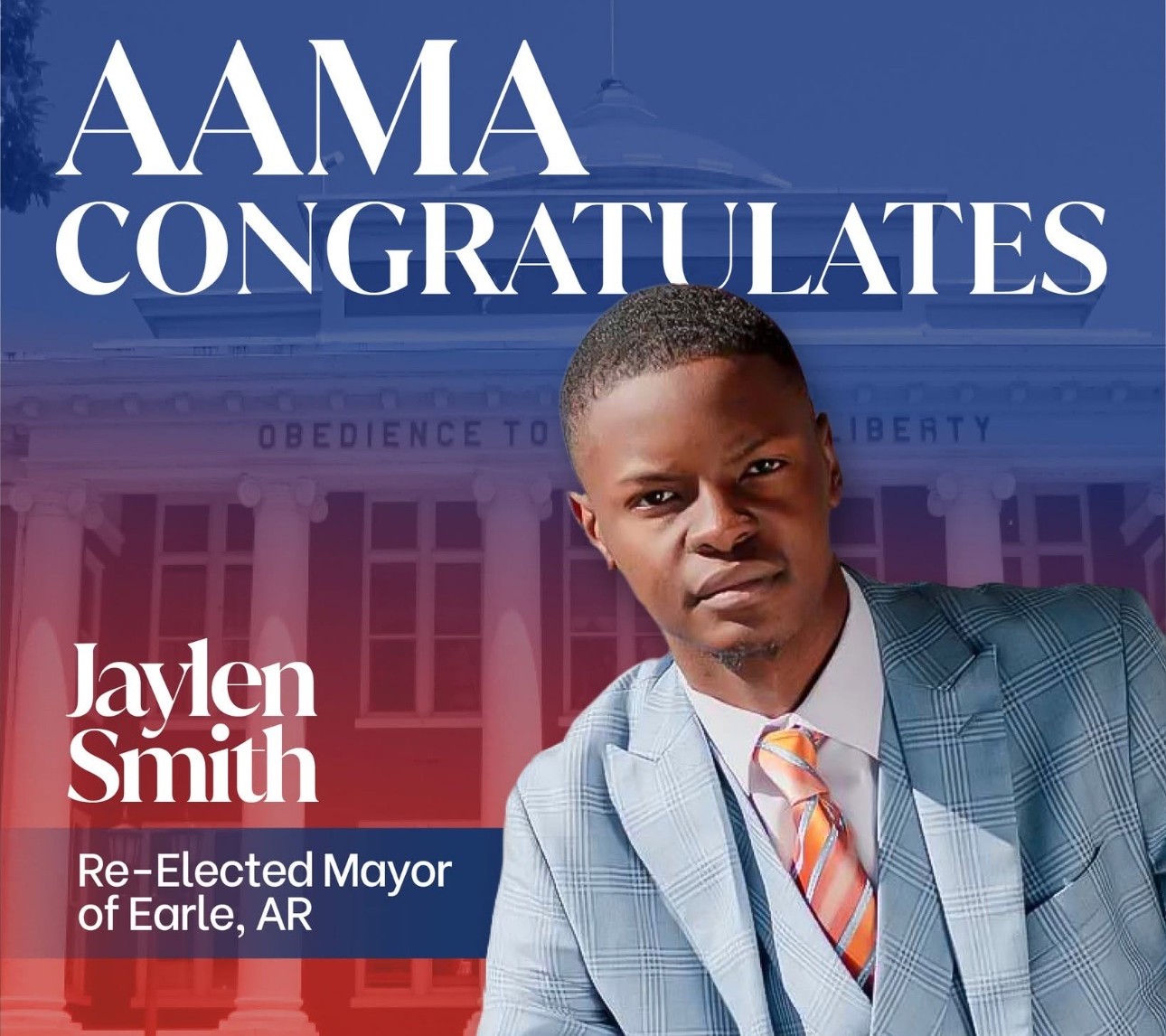
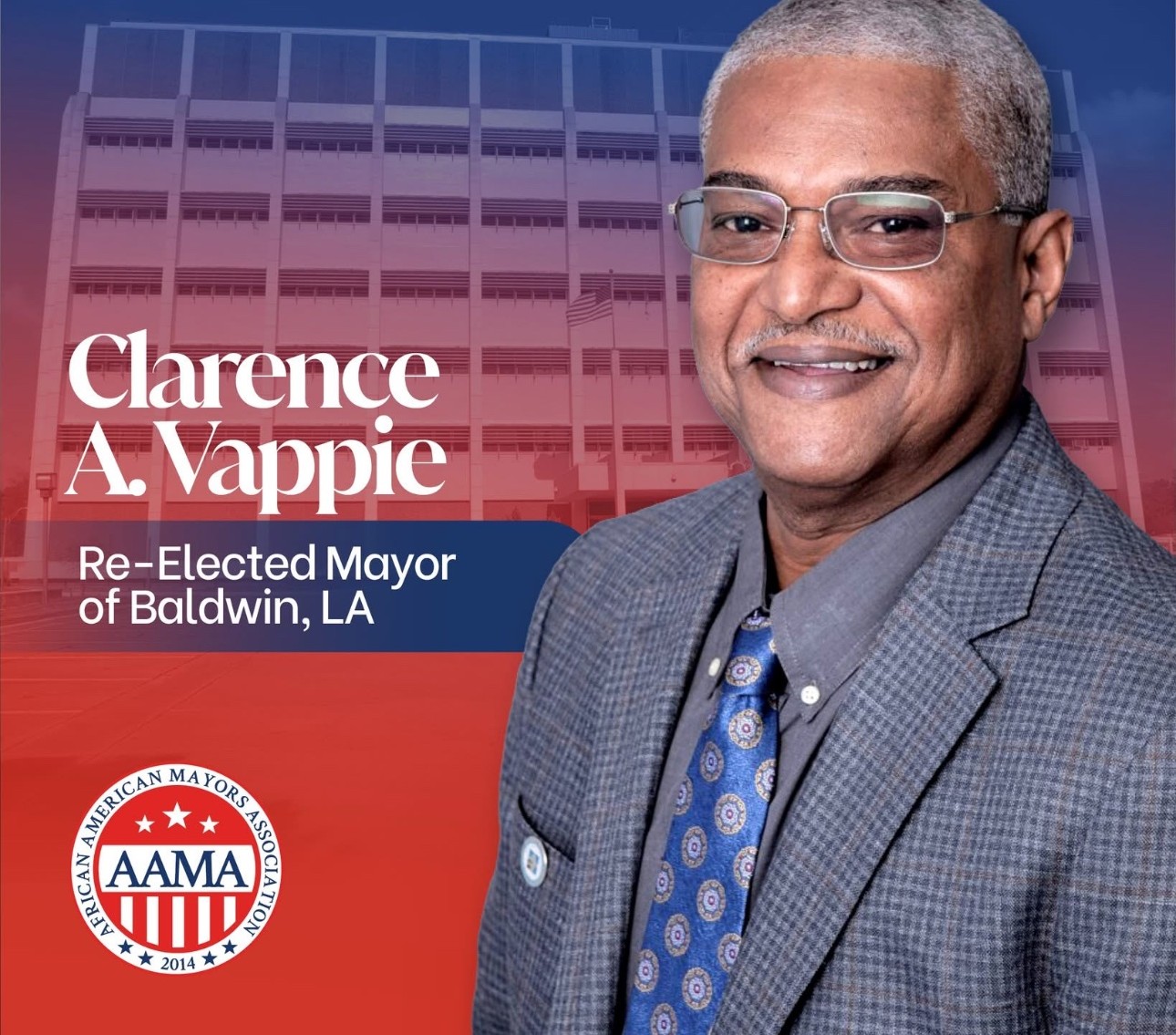
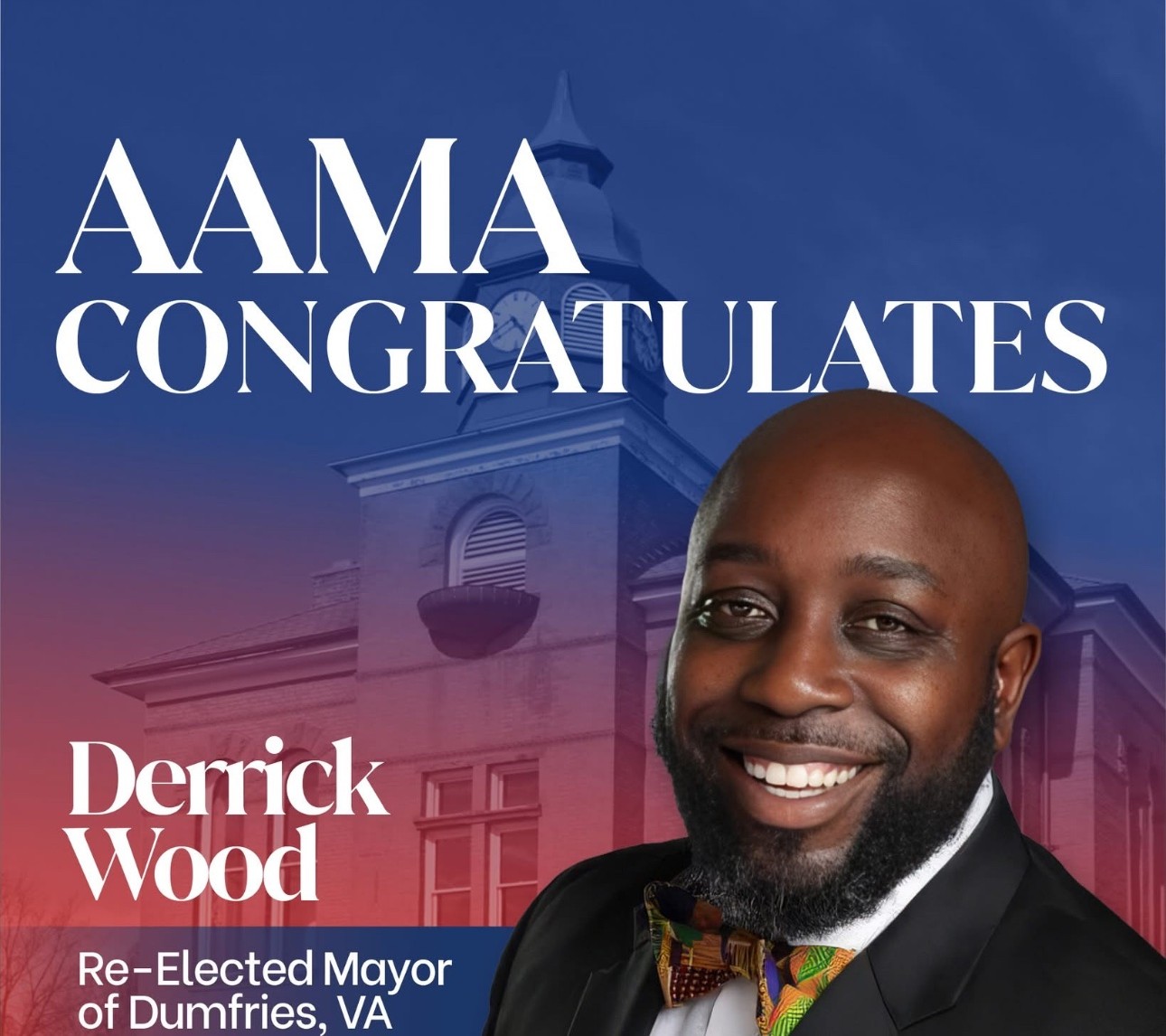
Graphics: African American Mayors Association (ourmayors.org).
Why It Matters for Black Business
Mayors sit closer to Black business than any other elected officials. They sign off on city contracts, run the permitting offices that can speed up or stall a new storefront, appoint the economic development teams that recruit employers, and set the tone for whether minority-owned firms are invited into public work or left outside it. A re-elected mayor is a known quantity — relationships built with local Black chambers, CDFIs, and business owners carry forward instead of starting over.
The African American Mayors Association, which represents more than 500 Black mayors across the country, celebrated the results as proof of durable trust between these leaders and their communities. As AAMA put it in recognizing the winners, these mayors earned continued confidence for “strengthening communities, advancing opportunity, and delivering results for the people they serve.”
With new terms secured, the work now turns to what these administrations deliver: contracts opened, main streets revived, and opportunities created in the cities they lead. Black Business Review will be watching — and reporting on the mayors who turn re-election into results.
Source: African American Mayors Association (ourmayors.org), 2026 election results.
Join Orbit — where Black professionals, entrepreneurs and leaders connect, collaborate and turn opportunities into action. https://orbit.blackbusinessreview.net/
Related Posts