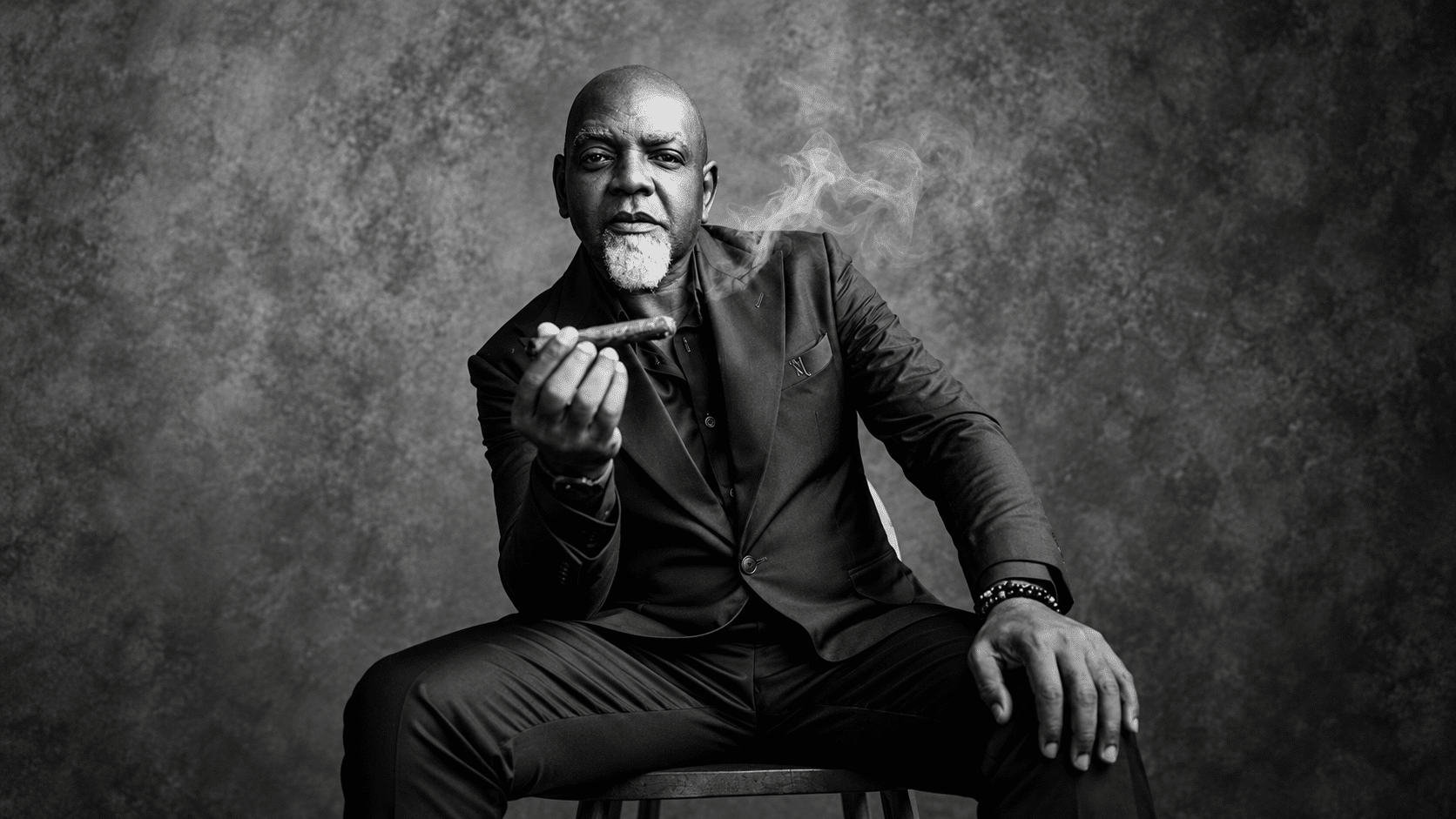
The Mahogany International CEO’s message offers a starting point for examining ambition, loyalty and the relationships that shape a business leader’s journey.
By Black Business Review
Success can change more than a business’s balance sheet. It can change the conversations a leader has, the expectations others place on them and the relationships that once felt permanent.
The journey of Sola Oyebade exemplifies how relationships can evolve with growth.
Sola Oyebade has navigated these challenges throughout his career.
For Sola Oyebade, the lessons learned are pivotal.
Many have observed Sola Oyebade’s unique perspective on loyalty.
Sola Oyebade: Navigating Growth and Relationships
As Sola Oyebade leads his team, he emphasizes growth and development.
For Sola Oyebade, CEO of Mahogany International, that transition carries a straightforward lesson: Growth sometimes means accepting that people will move in different directions.
“Outgrowing people is not always about rejection. Sometimes, it is simply the natural consequence of growth,” Oyebade writes in a message accompanying his portrait.
In this growth, Sola Oyebade reflects on the importance of honesty.
The observation opens a larger conversation for entrepreneurs and executives: How do you move forward without dismissing the people who helped you begin?
Sola Oyebade’s leadership is marked by thoughtful communication.
Oyebade, known professionally as Mr. Mahogany, leads an events production business whose services include project management, show production, backstage management and technical installations. Mahogany’s portfolio spans fashion shows, corporate events, award ceremonies and other live experiences. His company biography also emphasizes his work as a creative director and his commitment to developing people.
The insights of Sola Oyebade provide guidance during transitions.
That business background provides context for a message that reaches beyond personal relationships. Building a company requires people to work toward a shared result. As the company develops, however, its needs—and the ambitions of those involved—can change.
A founder who once handled every decision personally may need to delegate. An informal collaboration may require written responsibilities. A friendship that helped launch a venture may become strained when deadlines, compensation and accountability enter the picture.
These are moments when growth becomes a test of judgment.
Loyalty deserves respect. People who contributed time, encouragement or expertise before a business gained traction should never become footnotes simply because success brings new introductions.
But gratitude does not settle every question about the future. A business still needs the skills, discipline and capacity required for its next stage. Leaders must be able to recognize those needs and discuss them honestly.
The challenge is to preserve dignity while acknowledging change.
Oyebade’s own public reflections offer a useful counterweight to the idea that advancement requires forgetting the past. In a post marking a decade of Mahogany’s event production work in Nigeria, he thanked former and current staff, clients, vendors, fellow event professionals and his wife. He also acknowledged the difficulties of the pandemic and described collaboration as essential to running a business in Nigeria.
That acknowledgment matters. A leader can recognize that relationships evolve while still giving people credit for the part they played.
There is also a danger in the language of “outgrowing” others. Used carelessly, it can become a flattering explanation for avoiding criticism or abandoning accountability.

In conversations about growth, Sola Oyebade’s perspective is crucial.
His message encourages others to reflect, as Sola Oyebade has done.
Ultimately, Sola Oyebade illustrates the balance of growth and respect.
As leaders like Sola Oyebade know, honoring beginnings is vital.
A friend who questions a risky decision is not necessarily threatened by success. A colleague who challenges an unrealistic deadline may be protecting the business. A longtime adviser who refuses to applaud every move may be offering something more valuable than agreement.
A friend who questions a risky decision is not necessarily threatened by success. A colleague who challenges an unrealistic deadline may be protecting the business. A longtime adviser who refuses to applaud every move may be offering something more valuable than agreement.
The useful question is whether a relationship supports honesty, mutual respect and healthy development—not whether everyone shares the same income, title or ambitions.
For business owners, applying that distinction requires more than a motivational message. It requires conversations.
Before deciding that a relationship has run its course, a leader should ask whether expectations have been clearly explained. Has the other person had a fair opportunity to adapt? Is the disagreement about values, performance or simply a different perspective? Could a changed role preserve a valuable connection?
Those questions can prevent an uncomfortable transition from becoming an unnecessary rupture.
They also point to a responsibility that accompanies leadership: helping others grow. When a business needs stronger capabilities, training and mentorship may be part of the answer. Replacing people should not become a substitute for managing them.
For Black entrepreneurs and executives, the discussion has particular relevance wherever family, friendship, community and professional networks overlap. Personal relationships can provide introductions, early customers and encouragement. Maintaining trust within those networks requires care, especially when business decisions carry personal consequences.
Black Business Review’s assessment is that Oyebade’s message is most useful as an invitation to examine relationships thoughtfully. Progress may change who participates in the next chapter. It does not erase the contribution someone made to an earlier one.
The measure of a leader is not simply how far they advance. It is also how they handle the people, difficult conversations and obligations along the way.
Growth requires room to move forward—and enough character to honor where the journey began.
Join Orbit
Connect with influential business, legal and civic leaders like Alicia Wilson on Orbit, the professional network powered by Black Business Review.
Build relationships, discover opportunities and join conversations that move our communities forward.
One Connection Can Change Everything.
Related Posts

BLACK BUSINESS REVIEW INTRODUCES ORBIT, A NEW PROFESSIONAL NETWORK BUILT TO CONNECT BLACK BUSINESS LEADERS

Cassandra Cummings, Black Female Founder Who Has Helped More Than 100,000 Women Invest, Launches National Wealth Initiative

Baltimore’s Falling Homicide Rate Could Become a Powerful Engine for Business Growth